
Out on the factory floor, the mess dictates the response. DuroVac industrial vacuum systems are engineered around the specific material you need to recover, contain, or clean up, from fine powders and combustible dust to heavy debris, bulk solids, and hazardous materials.
Dry bulk solids are the loose, dry materials (cement, grain, sugar, fertilizer, plastic pellets, and potash) that inevitably spill around transfer points, production lines, hoppers, and storage areas. Not only are debris pile-ups an eyesore, they also create frustrating cleanup delays, safety and health hazards, and real material loss that impacts the bottom line. In our “State of the Market Report: Industrial Housekeeping Practices”, we found that manual methods, like sweeping, are still performed by 89% of plants. Manual practices only go so far before they slow down production and frustrate your maintenance leads.
For these heavy-duty challenges, you need robust industrial vacuum solutions capable of serious material handling. We often see crews utilizing systems like our PowerLift portable vacuums — just like the setup used at the Agrium fertilizer plant — to efficiently handle dry bulk solids without breaking a sweat
Combustible dust is a huge hazard. It’s the fine, seemingly harmless material that settles on floors, overhead beams, equipment, and processing areas, especially in grain, animal feed, sugar, plastics, and chemical environments. When this dust accumulates, it turns into a serious fire and explosion risk, creating a massive compliance headache for safety and EHS managers.
Keeping your facility safe means getting that dust off all of your surfaces and contained. That's where an industrial central vacuum for combustible dust steps in. A properly designed system comes equipped with essential safeguards like grounding and bonding, anti-static components, isolation valves, and explosion-control features. For instance, when an animal feed manufacturer needed a major NFPA compliance boost, a specialized central system gave them the safety and productivity boost they needed.
Handling combustible dust?
Coarse powders and granules—like plastic pellets, rough grains, heavy fertilizer, sugar, or chunky powders—have a habit of collecting stubbornly around packaging lines, blending stations, and transfer areas. Before you know it, you're dealing with buried equipment and blocked access points. Loose, heavy coarse powder easily becomes a dangerous slip hazard, contaminates surrounding work areas, and grinds production to a halt.
When you need an industrial vacuum for handling heavy materials to quickly clear these granules, you want something that moves the mess efficiently. The Elevator Series is a perfect industrial vacuum loader designed specifically for capturing dry powders, pellets, and granules. For moderately dense plastics, composites, or lighter minerals, our compact DVR vacuum is an excellent, nimble alternative.
Fine powders and fines are the incredibly lightweight materials like pigments, compounding dust, gypsum dust, sugar dust, and cement dust that settle stubbornly on surfaces and go airborne the moment you try to sweep them. You'll typically find these fines floating around mixers, bagging lines, sanding stations, transfer points, and production equipment. Their microscopic size makes them notoriously difficult to capture and will rapidly overload the wrong filtration setup, leaving your reliability managers dealing with stopped production.
For isolated areas dealing with fine powders, vacuum systems like our DVP portable unit are incredibly effective. If you're dealing with plant-wide fine powder clean-out, central vacuum systems are the way to go, exactly like the setup Ampacet chose to handle their rigorous fine powder colorant clean-out.
The air quality for crews are a top priority, which is why tackling hazardous and respirable dust requires a comprehensive strategy. While vacuuming alone doesn't entirely eliminate worker exposure, high-performance industrial vacuums serve as a critical frontline defense within a broader dust control and housekeeping protocol. This category includes microscopic, regulated particles like silica, concrete dust, carbon fiber dust, and other dangerous materials generated during cutting, sanding, or standard production runs.
When teams face recurring exposure to respirable hazardous dust, it presents a severe health risk and a major safety compliance challenge. Integrating dedicated industrial vacuum cleaners for hazardous dust equipped with true HEPA filtration allows you to safely capture these microscopic fines at the source rather than blowing them back into the plant air. For portable silica cleanup as part of your facility's OSHA compliance toolkit, the PowerLift Silica Dust Vacuum is a heavy-duty option. For smaller, ultra-fine dust applications, our Lifetime LTS 3 Vacuum fits right into an active maintenance routine.
When you're dealing with abrasive heavy materials such as metal chips, foundry sand, coal, aggregate, cement, or potash, cleanup is tough. These rough materials build up around production equipment, in conveyor pits, and across maintenance areas. Over time, they wear down equipment and block crucial access ways, often forcing plant managers to rely on manual shoveling or costly third-party vac trucks.
To reclaim your plant floor—and save money compared to renting vac trucks—you need an industrial vacuum for abrasive materials built for extreme durability. Our heavy-duty PowerLift Electric Vacuum handles grueling indoor recovery, while the PowerLift Diesel or Propane models offer massive suction when your cleanup is outdoors, off-grid, or far from an electrical power source. In fact, a specialized heavy-duty setup helped one steel manufacturer drastically cut down on their expensive vac truck rentals. Need a vacuum that can move to the pile instead of bringing the pile to it?
Every factory floor is different, but the mess usually traces back to the same critical pressure points in your process. Material build-up isn't a random occurrence. It's a direct byproduct of how raw materials, ingredients, and bulk goods move through your facility.
For example, in mining or large-scale agriculture, heavy-volume operations inevitably drop large amounts of dry bulk solids and heavy debris. As those materials move deeper into the plant, transfer points and conveyors become a source for spilled pellets, coarse granules, and progressively finer and more dangerous particles.
In processing facilities, fine powders and combustible dusts escape from bag dumps, mixers, and blenders and become airborne. These particles settle on every overhead surface. The same goes for high-speed packaging lines, where loose sugar, flour, or plastic pellets can turn a fast-moving operation into a constant sweeping battle.
In highly abrasive applications, workstations dedicated to cutting, grinding, and blasting in metalworking shops rapidly accumulate hazardous, respirable dust and sharp metal fines. Meanwhile, the intense heat and activity around kiln, furnace, or foundry areas within construction-material manufacturing invariably leave behind a harsh mix of slag, spent sand, and abrasive debris.
Whether you're fighting localized spills at a single mixer or need heavy-duty general housekeeping to keep an entire metals or plastics manufacturing plant compliant, understanding exactly where the mess originates dictates how we design the vacuum to capture it. You can explore our broader industry coverage to see how we tackle the unique dust and debris challenges across different sectors.
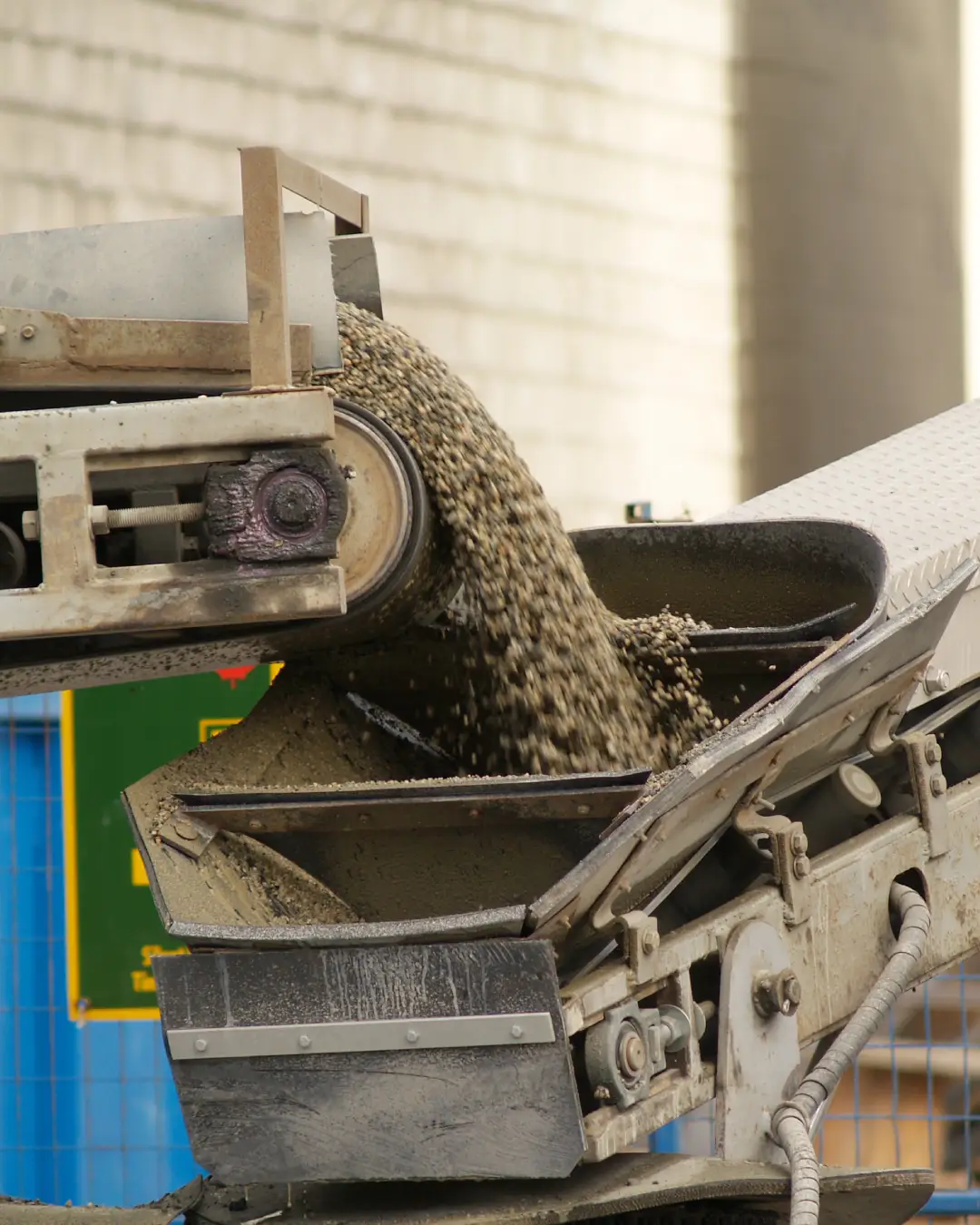
Knowing about the mess on your floor is only half the battle; the other half is pairing it with the right suction power and filtration. A mismatch here usually results in clogged filters or frustrated operators. Whether you need the flexibility of portable industrial vacuum systems, the massive plant-wide reach of central vacuum systems, or highly specialized custom-built industrial vacuum systems, we've got the engineering expertise to make it happen.
Sometimes, the goal isn't just cleanup, but moving product safely from point A to point B, which is where a vacuum conveying system for powder truly shines.
Here is a quick breakdown of how we generally match the mess to the machine:
We don't just sell vacuums; we design solutions. DuroVac will carefully configure the right system specifically tailored to your material, application, and facility.
Tell us what you’re cleaning up, where it’s collecting, and how it needs to discharge. DuroVac can help match the right industrial vacuum system to your application.